Vasectomy reversal vs. IVF: Which option is right for you?



Let’s break down the pros and cons of vasectomy reversal vs. IVF after vasectomy so you can feel more confident in whatever decision you make.
If you’ve had a vasectomy but you’re now considering (more) children, you might be curious about your surgical and assisted reproductive options if you didn’t freeze sperm before your vasectomy. While vasectomies are intended as a permanent form of male sterilization and birth control, vasectomy reversal is possible — but it’s not the only option. IVF with sperm retrieval can be a fertility after vasectomy “workaround.”
Vasectomy reversal success rates are not 100%, and can vary based on many factors, including how long ago you got the initial vasectomy. IVF success rates range from 5–55% per cycle. Determining which male fertility option is right for you — vasectomy reversal vs. IVF — will depend on your specific situation, preferences, and goals.
Let’s break down the pros and cons of vasectomy reversal vs. IVF after vasectomy so you can feel more confident in whatever decision you make.
Key takeaways
- Vasectomy reversals are technically complex, invasive, and expensive surgeries that involve reconnecting the vas deferens, tiny tubes that carry sperm out of the testes.
- A vasectomy reversal can cost between $5,000 to $15,000 or more, out of pocket.
- After a vasectomy reversal, you might have high levels of antisperm antibodies (ASAs), which can affect fertility and DNA fragmentation after vasectomy.
- Sperm retrieval after a vasectomy collects sperm directly from your testicles or epididymis for use in IVF, a male fertility option that doesn’t require reversal surgery.
How vasectomy reversal works
Over 500,000 vasectomies are performed every year in the US alone. In comparison, about 30,000 vasectomy reversals are performed each year, representing about 6% of all vasectomies. Vasectomy reversals are technically complex, invasive, and expensive surgeries that involve reconnecting the vas deferens, or the tubes that carry sperm.
Learn more: Can a vasectomy be reversed?

The vasectomy reversal process: Vasovastostomy vs. vasoepididymostomy
Vasectomy reversal can happen in one of two ways: a vasovasostomy, which is more common, and a vasoepididymostomy, which is more complex and only performed if a vasovasostomy is unlikely to work.
During a vasovasostomy, a surgeon sews the severed ends of each of the vas deferens back together. During a vasoepididymostomy, a surgeon attaches the vas deferens directly to the epididymis, a coiled tube located at the back of each testicle to hold, mature, and transport sperm.
A patient may need a vasoepididymostomy if the initial vasectomy caused a secondary blockage in the epididymis. Your surgeon can’t know ahead of time which procedure you will need, as this depends on whether sperm is seen in the fluid in your vas deferens at the time of surgery.
The longer time has passed since you received your vasectomy, the more likely you will need a vasoepididymostomy on at least one side. It’s possible to receive a combination of a vasovasostomy and vasoepididymostomy if a surgeon decides that as the best approach. Approximately 15–60% of men will require vasoepididymostomy on one or both vas deferens.1
Vasectomy reversal step by step
A vasectomy reversal will take longer than a vasectomy. A typical vasectomy takes 15–30 minutes; reversing the vasectomy will take about 2.5–4 hours. You will be under general anesthesia, vs. the local anesthesia you likely received for the initial procedure.
During vasectomy reversal surgery, the surgeon will make a small incision on your scrotum to expose the vas deferens. The surgeon will then cut them open to examine whether there is sperm in the fluid inside. If sperm are present in the vas deferens, the surgeon can perform a vasovasostomy by reattaching the severed ends of each vas deferens.
If there are no sperm, that may indicate a blockage in the epididymis, warranting a vasoepididymostomy. In this more complex surgery, the surgeon will attach the vas deferens directly to the epididymis to bypass the blockage.
Immediately after surgery, your incisions will be covered with bandages. You will likely move to a recovery room where you’ll stay for a short while before being discharged. You’ll likely be told to apply ice for 24–48 hours to reduce any swelling or soreness.
The full recovery time of vasectomy reversal is around 3–4 weeks. After a vasectomy reversal, it’s recommended you wear an athletic supporter or tight undergarments except when showering. You should avoid any and all strenuous activity including but not limited to heavy lifting, biking, sports, running, and sexual intercourse for 2–4 weeks.
After your recovery period, you’ll likely be asked to test your sperm to monitor whether you’re seeing sperm “patency,” the return of sperm to the semen.
How much a vasectomy reversal costs
A vasectomy reversal can cost between $5,000 to $15,000. If your reversal requires a specialized surgery, it may cost well over $20,000. Vasectomy reversals are rarely covered by insurance, so be prepared to pay out-of-pocket. Nevertheless, it’s always worth asking your insurance provider about your coverage.
Here’s what you might expect to pay for a vasectomy reversal from some of the major cities in the US:
Planning a vasectomy?

Vasectomy reversal success rates
While vasectomy reversal success rates are generally high — from 60% to 95% — the success associated with this procedure doesn’t solely hinge upon the surgeon reattaching the vas deferens or attaching them directly to the epididymis. Patients want and expect their sperm to return to their ejaculate and to be able to impregnate their partner.

Patency rates after vasectomy reversal
“Patency” refers to the success of reattaching the vas deferens, as Patency rates after vasectomy reversals are typically just as high at 71% to 97%.2 The more time has passed since the initial vasectomy, however, the lower the average patency rates will be. Other factors that can affect patency rates include the type of vasectomy reversal received, the presence of a sperm granuloma, or a benign lump that can form post-vasectomy as a reaction to leaking sperm, and the surgeon’s level of experience.
Live birth rates after vasectomy reversal
Pregnancy or live birth rates after vasectomy reversals are generally lower at about 30% to 67%. This large discrepancy is a result of the many other factors that may impact how likely you are to achieve pregnancy after a vasectomy reversal including but not limited to time since the vasectomy, time since the reversal, type of vasectomy reversal received, the surgeon’s level of experience, your and your partner’s ages, whether you experienced fertility issues prior to your vasectomy, lifestyle factors and overall health, and the presence of antisperm antibodies.
How a vasectomy can affect sperm health & antisperm antibodies
So what happens to your fertility after a vasectomy reversal? If your vasectomy reversal goes well, you should expect sperm to return to your semen, as discussed above. However, your sperm quality may be impacted by both the initial vasectomy procedure and the reversal surgery.

Sperm production after vasectomy & vasectomy reversal
Research suggests that sperm production is negatively impacted by vasectomy. A 2005 study found that men who had a vasectomy had about 40% lower sperm production than men who had not.3
Furthermore, a 2021 review concluded that “every sperm parameter was poorer” in men who had had a vasectomy reversal. Specifically, this review noted that after reversal, men had decreased sperm motility and number, increased sperm DNA fragmentation, inhibited sperm production, and induced abnormal sperm formation.4
Sperm DNA fragmentation after vasectomy reversal
Studies have shown that DNA fragmentation, or the amount of damaged DNA in a given sperm sample, can increase significantly — to almost twice as high — after a vasectomy reversal.5 Potential reasons for this include long-term sperm obstruction (due to the vasectomy), chronic and local inflammation, the accumulation and ejaculation of previously obstructed sperm that are often dead or of poor quality, oxidative stress caused by high levels of reactive oxygen species (ROS), and/or permanent changes to the seminiferous tubules responsible for sperm production.
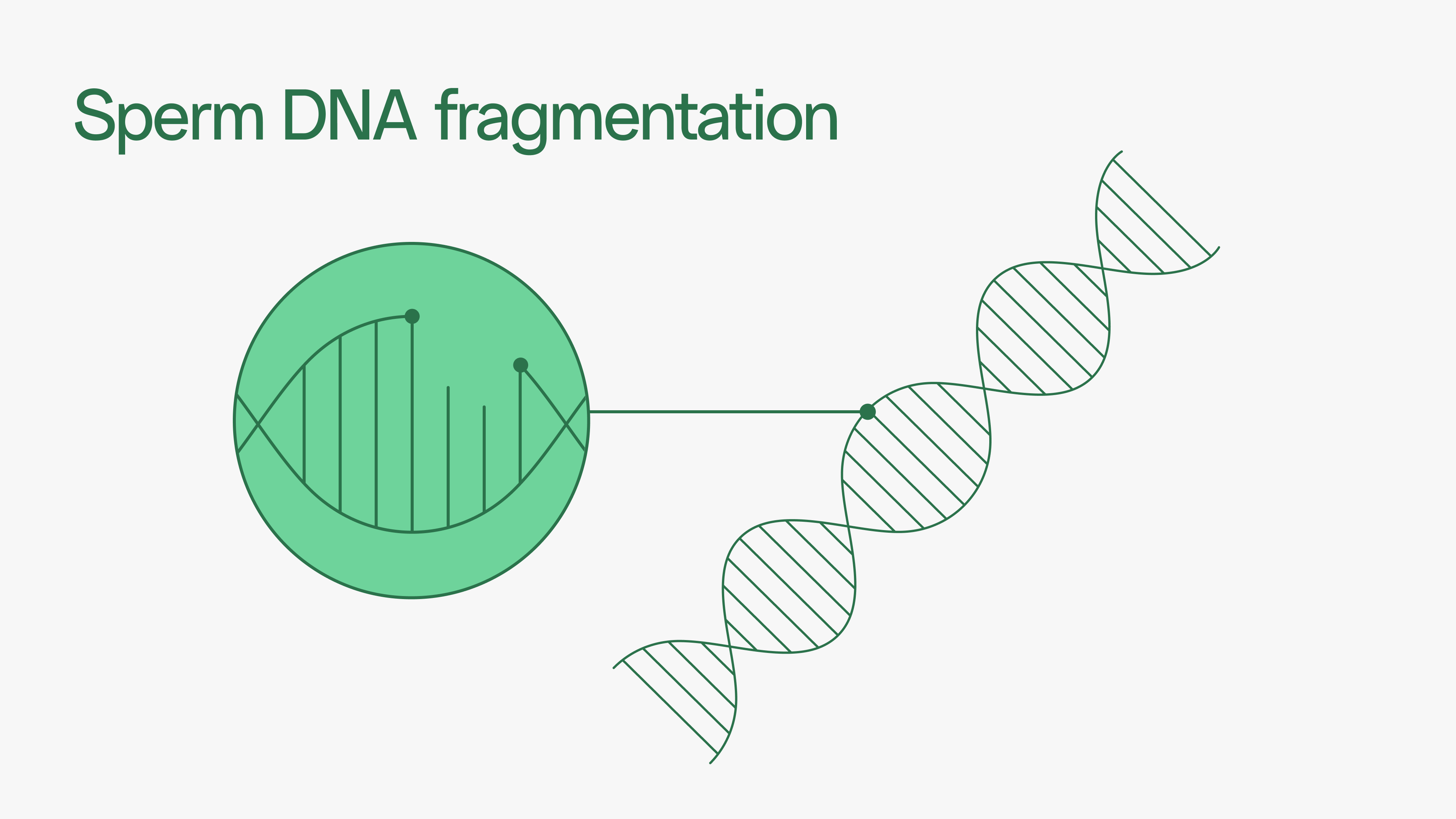
Nevertheless, studies have also suggested that increased sperm DNA fragmentation (SDF) does not noticeably impact natural pregnancy rates after a successful vasectomy reversal nor does it affect the outcomes of any assisted reproductive technology technique (ART). As a result, elevated SDF levels rarely require further interventions as healthy pregnancies are still possible.
Learn more about sperm DNA fragmentation testing.
Antisperm antibodies after vasectomy reversal
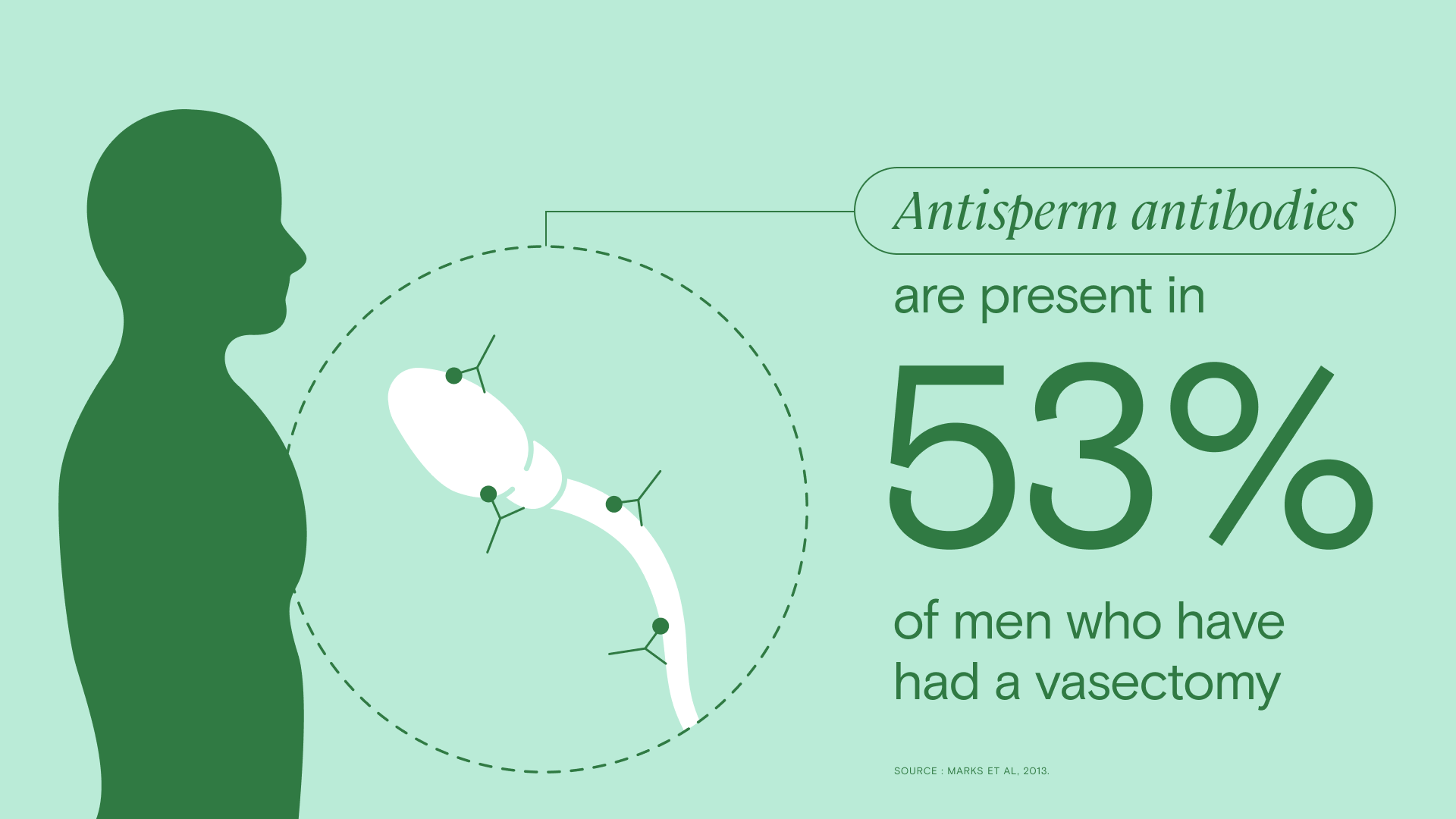
A vasectomy breaks the blood-testis barrier that normally protects sperm from your body’s immune system. During and after a vasectomy, sperm leak from your severed vas deferens into the surrounding tissue and your immune system responds accordingly by producing antibodies, called antisperm antibodies, that will often persist long term. Antisperm antibodies are produced after a vasectomy in 70–80% of men.6
About 5% of men may experience reduced motility and sperm agglutination, or their sperm clumping together, due to the antisperm antibodies. This may cause fertility complications as the sperm can’t swim as well as they’re supposed to. Luckily, mild to moderate cases of sperm agglutination can be treated with proper medication and supplements.
Unfortunately, there is no way to predict if you will fall in the 5% of people who experience sperm agglutination after a vasectomy reversal, which is why it’s so important to receive regular sperm testing after this procedure. Doing so will help validate the reversal’s success and the return of your sperm and look out for any potential re-blockage that may occur.
Testing your sperm after vasectomy reversal
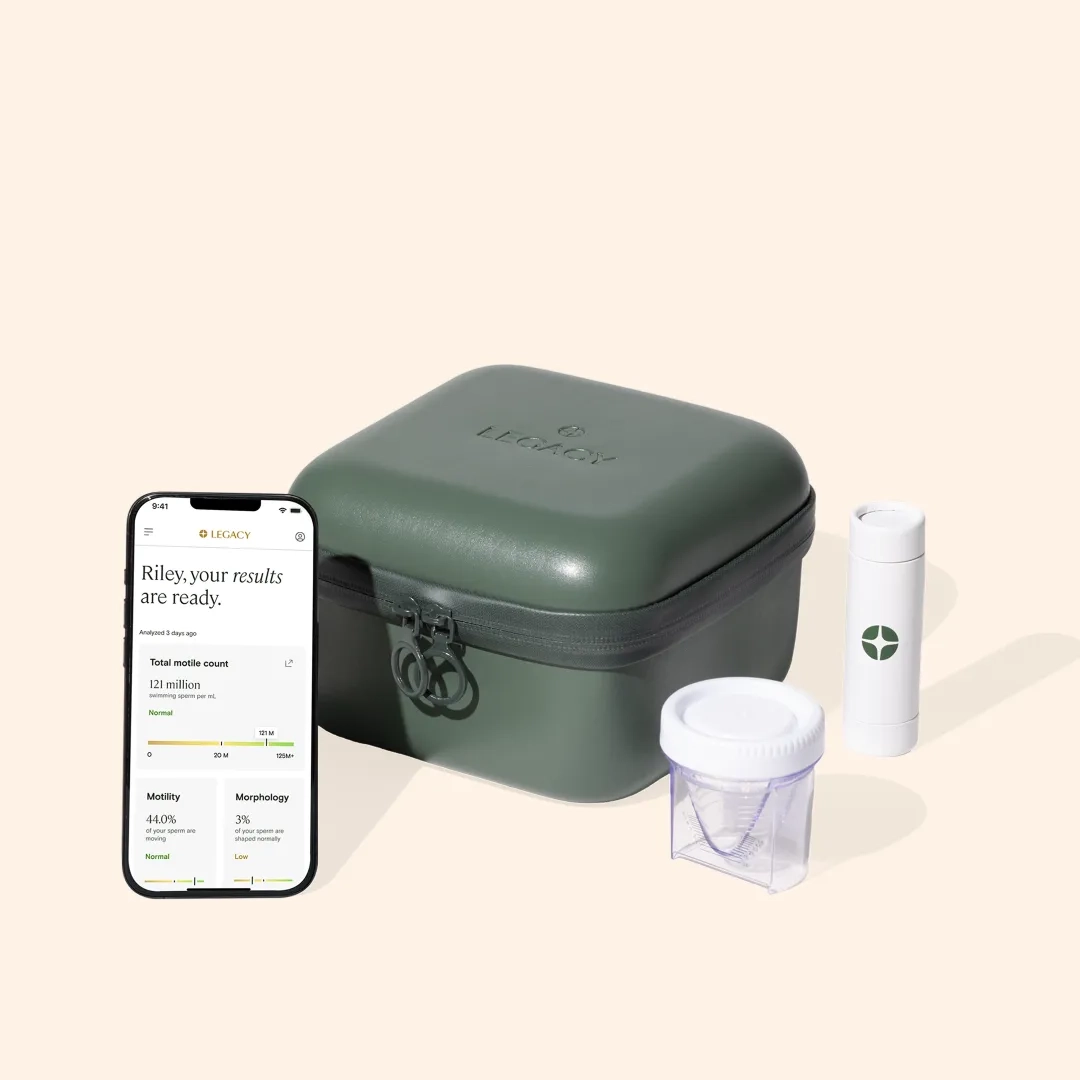
You’ll likely start testing 6–8 weeks, or 2–3 months, after your procedure. Thanks to at-home sperm testing kits, semen analysis after vasectomy reversal has never been easier or more convenient. Legacy’s sperm testing kits can test for semen volume, sperm concentration, sperm motility, total motile sperm count, sperm morphology, and sperm DNA fragmentation after a vasectomy reversal.
Pursuing IVF after vasectomy
Instead of receiving a vasectomy reversal, or if your vasectomy reversal fails, you can look into using IVF with testicular sperm retrieval to have biological children. Sperm retrieval after a vasectomy makes this possible by collecting sperm directly from your testicles or epididymis so that it can then fertilize a mature egg in a laboratory.
Options for sperm retrieval after vasectomy include:
- Percutaneous epididymal sperm aspiration (PESA): A minimally invasive option that involves inserting a needle through the skin into the epididymis to suction sperm.
- Microsurgical epididymal sperm aspiration (MESA): Using a surgical microscope, a surgeon will precisely locate the epididymal tubes to collect sperm.
- Testicular sperm aspiration (TESA): A minimally invasive option that involves inserting a needle through the skin into a testicle to suction sperm.
- Testicular sperm extraction (TESE): A surgeon will make a small incision to take a small biopsy of your testicular tissue to extract sperm. This tends to be more effective for men with azoospermia, the complete absence of sperm in the semen and/or if PESA or TESA were not as effective.
- Micro-TESE: When other options have failed, this highly specialized, microscope-guided approach can offer the highest sperm retrieval rates from rare sperm production sites.
Learn more about options for testicular sperm retrieval.
Simpler sperm retrievals excluding micro-TESE are typically performed the day of egg retrieval. (A micro-TESE is performed the day before egg retrieval.) Your surgeon will decide which retrieval option is best for you.
Sperm retrieved from the testes typically has no or poor motility, and will need to be injected directly into an egg using an IVF procedure called intracytoplasmic sperm injection (ICSI). Success rates with IVF and ICSI can range from 5% to 55% per cycle, depending mostly on age and the presence of any female fertility considerations. Remember, many of the impacts of vasectomy on sperm will still be present in sperm collected directly from the testes, so fertility after vasectomy will likely be lower than before.
ICSI and IVF success rates by age will gradually decline, but the impact is less significant for paternal age versus maternal age. Men who are under 40 will generally have a greater chance of success with IVF.
Cost of IVF after vasectomy
IVF cost is also important to consider. An IVF cycle can cost between $12,000 to $15,000 per cycle.
Here’s what you might expect to pay for IVF from some of the major cities in the US:
Insurance coverage for IVF will vary widely depending on your plan. Fertility treatments such as IVF are typically not included in a standard plan, and even if you do have IVF coverage, you may not be able to use it after a vasectomy. Be sure to find out what your health insurance plan covers.
Pros and cons of vasectomy reversal vs. IVF after vasectomy
Let's explore the pros and cons of each family building option. In general, both options do not guarantee a successful pregnancy, and neither are likely to be covered by health insurance.
Pros of vasectomy reversal:
- Vasectomy reversals generally have success rates over 50%.
- Even if your vasectomy reversal doesn’t go as planned, a surgeon can still retrieve and freeze your sperm for safekeeping.
- A vasectomy reversal is typically much cheaper than an IVF cycle.
- A vasectomy reversal takes a few hours vs. an IVF cycle which will take several weeks.
- A vasectomy reversal allows couples to avoid the emotional and physical toll of IVF.
Cons of vasectomy reversal:
- There is no guarantee of success with a vasectomy reversal.
- Vasectomy reversals are rarely covered by insurance because it’s seen as an elective procedure.
- It can take a few weeks to fully recover.
- There are risks of re-blockage after a successful procedure.
- Even if your vasectomy reversal is successful, your sperm count and quality may not be adequate enough to achieve pregnancy. In this case, your best option may be IVF.
Pros of IVF after vasectomy:
- Shorter recovery time.
- You can freeze and store embryos for the future.
- You can test genetic embryos for any abnormalities before implantation, which reduces the risk of miscarriage.
- You can select the biological sex of an embryo.
- There isn’t a standard maximum IVF age limit.
Cons of IVF after vasectomy:
- IVF success rates can vary widely depending on egg and sperm quality and quantity, age, and underlying health conditions.
- IVF is expensive and not always covered by health insurance, especially when sought after a vasectomy.
- The emotional and physical toll of IVF can be taxing, requiring multiple appointments and injections per cycle. IVF takes about six to eight weeks.
- IVF can be particularly invasive for the female partner during egg retrieval.
Frequently asked questions
1. Can IVF work after a failed vasectomy reversal?
Yes, IVF after vasectomy reversal is a highly effective, commonly practiced option for achieving pregnancy if your reversal procedure doesn’t go as planned. Sperm can be retrieved via PESA, MESA, TESA, TESE rather than ejaculation.
2. How long does it take to conceive post-vasectomy reversal?
Conceiving after a vasectomy reversal is usually a six to 12 month process, with the average being about a year to achieve pregnancy. Success will be dependent on how long it’s been since you received your vasectomy, the quality of your semen, and the maternal age.
Does insurance cover IVF or vasectomy reversal?
It depends. It’s important to consult your insurance provider beforehand to determine if they can cover IVF or a vasectomy reversal. You’ll likely be paying for IVF or vasectomy reversal out of pocket.
References
- Silber et al. “Microscopic Vasectomy Reversal 30 Years Later: A Summary of 4010 Cases by the Same Surgeon.” Journal of Andrology, 2013.
- Sieber et al. “Prognostic Factors for Pregnancy and Patency Rates After Microsurgery for Obstruction of the Upper Seminal Tract: A Retrospective Single-surgeon Series of 336 Cases.” European urology open science, 2025.
- McVicar et al, “Effects of vasectomy on spermatogenesis and fertility outcome after testicular sperm extraction combined with ICSI.” 2005.
- Yang et al, “Review of Vasectomy Complications and Safety Concerns.” 2021.
- Smit et al. “Increased sperm DNA fragmentation in patients with vasectomy reversal has no prognostic value for pregnancy rate.” The Journal of urology, 2010.
- Hellema, et al. “Sperm autoantibodies as a consequence of vasectomy. II. Long-term follow-up studies.” Clinical and experimental immunology, 1979.
Freeze sperm before your vasectomy. Test your sperm to make sure it worked.

Advanced Semen Analysis with DNA Fragmentation Testing
$495
Key features

Semen volume
Sperm concentration & count
Motility
Morphology
Sperm DNA fragmentation