TRT injections vs. creams vs. pellets



If you’ve been approved for testosterone replacement therapy (TRT) to address your low testosterone levels, the next step would be to choose your method of administration: TRT injections vs. creams vs. pellets. Each of these testosterone replacement therapy delivery methods have distinct pros and cons, which we’ll delve into further detail below.
Hormone therapy for male hypogonadism, a condition in which the testes produce little to no testosterone, may improve all of the following:
- hair loss and quality
- lean body mass
- mood, motivation, and general energy levels
- libido
- strength and aerobic capacity
- concentration and memory
Nevertheless, treatment doesn’t come without side effects, which can vary depending on the TRT method. It’s crucial to be fully informed of all the risks and trade-offs before getting started.
Key takeaways
- Diagnosis for TRT involves two blood tests between 8am and 10am to test your testosterone levels at their highest.
- Each TRT method — TRT injections vs. creams vs. pellets — has its own pros, cons, and side effects, and associated risks.
- TRT increases your testosterone levels and treats your low testosterone symptoms, but it will not fix nor cure the underlying cause of your low testosterone.
- We recommend freezing your sperm before starting TRT to keep your healthiest samples of sperm safe, accessible, and viable for conception whenever you’re ready. There is no TRT method or protocol guaranteed to preserve fertility.
Who uses testosterone replacement therapy?
Testosterone replacement therapy is technically only approved for those with clinically low testosterone levels, as determined by two separate blood tests and a healthcare provider assessment. However, it’s often prescribed for those with borderline low testosterone and very bothersome symptoms of low testosterone.
How is low testosterone diagnosed?
The American Urological Association (AUA) provides guidelines for clinicians to properly diagnose, treat, and monitor testosterone deficiencies in their patients. Diagnosis typically involves two simple blood tests performed between 8am and 10am, as your testosterone levels are at their highest in the morning.
There are two commonly measured types of testosterone: free testosterone and total testosterone.
- Free testosterone refers to the testosterone circulating in your blood, not bound to any proteins.
- Total testosterone includes free testosterone and the testosterone already attached to proteins.
Both total and free testosterone are measured in nanograms per deciliter, expressed as ng/dL.
Besides your testosterone levels, your doctor will likely examine your hemoglobin levels, hematocrit levels, the levels of different substances produced by your liver, luteinizing hormone levels, prostate-specific antigen levels, and prolactin levels. You may also have a general physical exam.
Low testosterone levels are often associated with the following symptoms:
- fatigue
- erectile dysfunction
- weight gain
- osteoporosis
- mood disorders (anxiety, depression, etc.)
- loss of body hair or muscle mass
- sex drive decline
If you’re experiencing any of these symptoms, it’s worth asking your doctor to test your testosterone levels.
Comparing the methods of TRT delivery
Testosterone replacement delivery involves taking a manufactured form of testosterone to manage your levels and directly address low testosterone symptoms.
All method of TRT delivery raise your risk of the following:
- Acne
- Unexpected breast tissue growth or tenderness, known as gynecomastia
- Hair loss
- Mood swings or worsening depression
- Elevated red blood cell count
- Blood clots
- Heart attack
- Stroke
- Increased blood pressure
- Liver injury
- Sleep apnea
- Allergic reaction
- Prolonged infertility due to the impact of TRT on sperm production
TRT injections
In this TRT protocol, testosterone is injected into the muscle and/or directly into the bloodstream every 1–2 weeks or every few months, depending on your prescription. It costs about $20–$100 per month, making it a good option for cost-conscious men. It’s also widely considered the most effective form of testosterone supplementation.
Compared to other methods of TRT delivery, injections increase your risk for injection site pain, irritation, or redness, and because they’re delivered weekly or less frequently, they may cause more dramatic fluctuations in testosterone levels.
TRT creams & gels
This method of TRT involves daily application of a testosterone cream or gel to the shoulders, upper stomach, or arms. It’s pricier, at around $200–$500 a month, but may be a good option for individuals who want non-invasive solutions and are comfortable with a daily routine.
Since they’re topically applied, TRT creams and gels can cause skin irritation, blemishes, itching, or soreness at the site of application.
TRT pellets
TRT pellets are implanted under the skin on the stomach or the buttock muscles, and lasts for 4–7 months, making it a good option for individuals seeking a long-term solution. Cost ranges from $350–$1,000 per insertion, with pellets implanted 2–4 times a year on average.
TRT delivered in pellet form carries a risk of scarring, localized site injection, or pellet expulsion.
TRT patches
TRT patches are plastic patches that are applied to the skin like a bandage and deliver a slow, continuous dose of testosterone directly through the skin into the bloodstream. They’re applied fresh daily, making this option best for those who can maintain a daily routine and prefer non-invasive solutions.
The cost is around $200–$500 per month, similar to TRT creams, and also like TRT creams and gels, the topical application means skin irritation at the application site is a risk.
TRT method pros & cons
Let’s compare the pros and cons of different TRT delivery methods:
Taking all this into consideration is important before making a decision on which TRT method makes the most sense for you and your preferences and lifestyle. If none of these methods are right for you, check out the available alternatives to testosterone replacement therapy.
Preserve the option to be a dad after TRT.
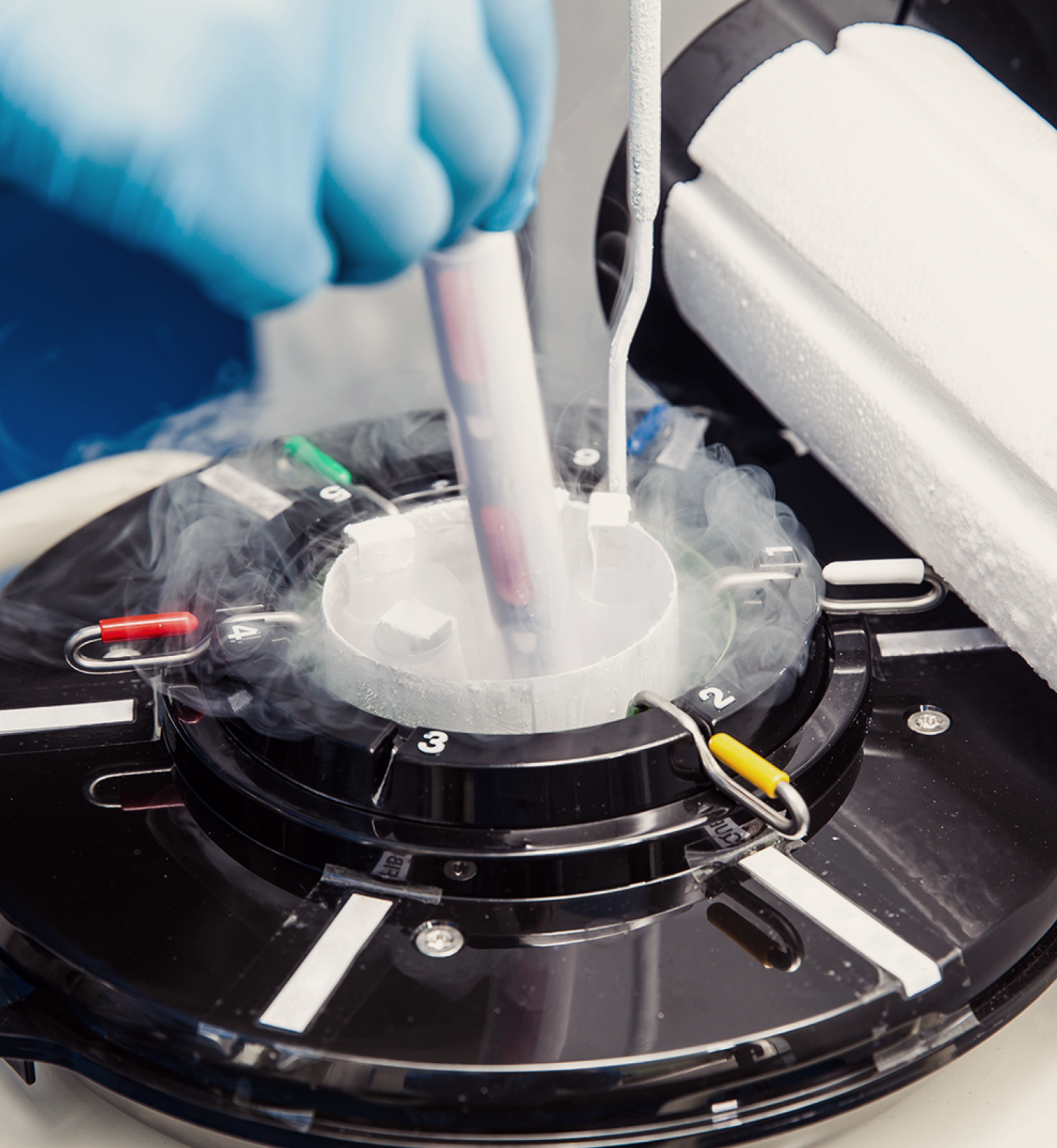
How does TRT impact male fertility?
TRT increases your testosterone levels and treats your low testosterone symptoms. However, it will not fix nor cure the underlying cause of your low testosterone.
As a result, when you undergo TRT treatment, your brain will register your natural testosterone levels as adequate and send fewer signals to your testes altogether, causing you to produce less sperm. Most men experience azoospermia, or the complete absence of sperm in your semen, within 4–6 months of starting TRT.2
If you wish to have children in the future, we recommend freezing your sperm before you even start your TRT treatment to ensure your healthiest sperm are safe, accessible, and stored properly to remain viable for an indefinite period of time. You can even do this from the comfort of your home.
You may also want to take fertility protocols alongside TRT.
Stopping your TRT treatment may allow your sperm production to restart, but there’s unfortunately no guarantee. About one in three men don’t recover their sperm production within one year of pausing TRT, and about 10% of men who previously took TRT never recover their sperm production.3
Which TRT method is safest for sperm production?
Unfortunately, there is no TRT protocol guaranteed to preserve fertility. TRT injections and pellets are considered the most suppressive to sperm production. Creams, gels, and patches might offer slightly more flexibility, but still have a high risk of infertility regardless as they still significantly suppress sperm production.
If you wish to preserve your fertility as someone considering TRT, the best idea would be to freeze your sperm.
How to choose the best method of TRT for you
Only you and your healthcare provider know which TRT method will truly be best for you.
This means considering:
- Your dosage and the severity of your low testosterone levels and symptoms
- Your lifestyle and personality — Can you maintain daily medication application?
- Preference for invasive vs. non-invasive treatments
- Your budget and your insurance provider
- Your medical history and underlying conditions
By taking all of these factors into account, you can stay consistent with TRT and start alleviating your low testosterone symptoms.
Frequently asked questions
- How often should TRT injections be given? TRT injections should be given every 1–2 weeks or every few months depending on your prescription.
- Do testosterone creams have side effects? Yes, common side effects of testosterone creams are skin irritation, skin blemishes, itching, soreness, and acne.
- How long do TRT pellets last? TRT pellets generally last 4–7 months.
- Which TRT method is safest for sperm production? None of them; all TRT methods will suppress your sperm production. To preserve your fertility, we recommend freezing your sperm before starting TRT treatment.
References
- Pastuszak et al. “Comparison of the Effects of Testosterone Gels, Injections, and Pellets on Serum Hormones, Erythrocytosis, Lipids, and Prostate-Specific Antigen.” Sexual medicine, 2015.
- Patel et al. “Testosterone Is a Contraceptive and Should Not Be Used in Men Who Desire Fertility.” The world journal of men's health, 2019.
- Sizar et al. “Androgen Replacement.” 2023.
TRT shuts off your ability to make sperm. Store your healthiest sperm from home, today.

Learn how to protect your fertility before TRT

For The Future bundle
$2,095
Key features

10 years of storage (renewable)
2 collection kits for 2 samples
Does not include Advanced Semen Analysis with DNA fragmentation testing