Top 4 fertility protocols for men on testosterone replacement therapy (TRT)



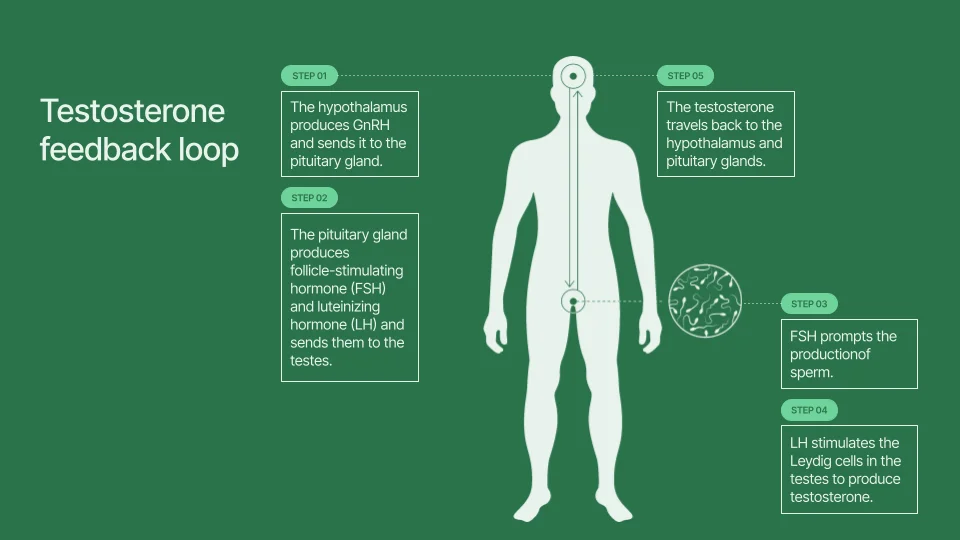
If you’re undergoing testosterone replacement therapy (or thinking about it), you should be aware of how this treatment will affect your fertility, especially if you wish to have children in the future. TRT and fertility do not generally mix well together — when you introduce synthetic or lab-manufactured testosterone into your body, your brain assumes your natural testosterone levels are adequate.
When this happens, your brain will send fewer signals to your testes, causing you to produce less sperm. If you aren’t taking or planning any fertility protocols alongside TRT, you might experience azoospermia, the complete absence of sperm in your semen, within 4–6 months of TRT.1
Can sperm count recover after TRT? Maybe, but it’s not guaranteed. Studies of TRT patients have found that about 1 in 3 were not able to recover normal total motile sperm counts, even after 12 months off TRT. Older patients and those who have been taking TRT for longer periods were less likely to recover fertility after TRT.1
This isn’t to scare you; we simply want to ensure you’re informed and prepared for what to expect on TRT. If family-building plans are potentially on your horizon, or you just want to keep that possibility open,
We’ll present and explain the four best fertility protocols for men on TRT so you can determine which route is right for you.
Key takeaways
- Freezing your sperm before starting TRT is recommended to keep your healthiest samples of sperm safe, accessible, and viable for conception whenever you’re ready.
- Other fertility protocols for TRT include hCG hormone therapy, clomiphene citrate, and anastrozole.
- Experts recommend that you should only be taking testosterone replacement therapy if you’re experiencing clinically low testosterone levels and symptoms of low T.
Who should be on TRT?
Testosterone replacement therapy is approved by the FDA only for those who are experiencing low testosterone levels, a phenomenon known as hypogonadism, plus problematic symptoms of low testosterone such as low sex drive, reduced testicular size, decreased muscle mass, and low energy.
TRT is not technically approved for any other reason, including combating declines in testosterone due to normal aging. However, it is often prescribed off-label, and TRT prescriptions increased 27% between 2018 and 2022.2
How is TRT administered?
Testosterone replacement therapy can be administered through various methods, but most commonly is applied daily through the skin via a gel, cream, or patch. You can also administer it yourself every few weeks via an injection or visit a doctor’s office every few months for an implant in the hip or buttock region.
Preserving fertility on testosterone therapy
There are several ways to preserve your fertility before and during testosterone therapy. You can, for example, freeze sperm before testosterone therapy for safekeeping, or you can follow one of several protocols to keep sperm production on TRT (although they’re not guaranteed).
Sperm freezing before TRT
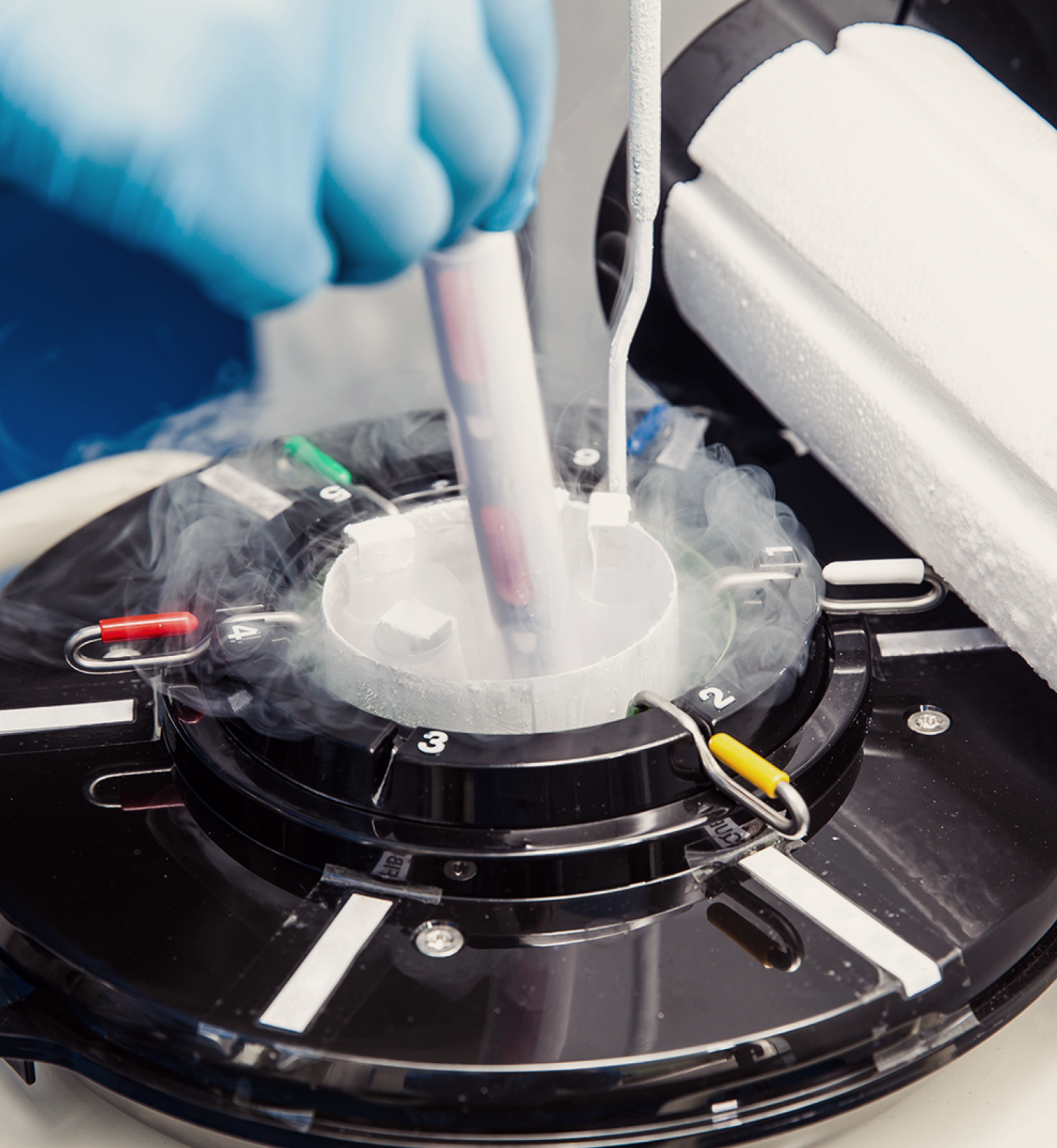
Freezing your sperm in advance of TRT is a highly effective way to get ahead of impaired fertility or infertility issues due to testosterone replacement therapy, and is considered the best fertility protocol for men on TRT. By cryopreserving your healthiest sperm, they will be safe, accessible, and when stored properly, remain viable for an indefinite period of time.
With the rise of at-home sperm freezing kits, this process has never been easier or more convenient. Or, if you prefer, you can visit a traditional clinic to collect your sperm in person. Regardless of how and where you collect your sperm, your sperm sample will be frozen and stored at a high quality cryogenic lab within 48 hours.
Sperm banking for men on TRT protects their ability to start or grow their family whenever they are ready and without having to take their current levels of sperm production into consideration. While there are measures you can take to help protect fertility while on testosterone, there’s still no guarantee that your sperm count will remain the same.
If you’ve already started TRT, it’s not necessarily too late to freeze and bank your sperm. We recommend collecting a sample as soon as possible for analysis to determine whether it’s viable for freezing.
Taking hCG to maintain fertility on TRT
You can take hCG (human chorionic gonadotropin) hormone therapy alongside TRT. This protocol will (hopefully) help you maintain fertility on TRT.
The hormone hCG mimics luteinizing hormone (LH). LH is responsible for stimulating the Leydig cells within your testes to produce testosterone, which drives sperm production.3 Therefore, taking hCG with TRT is one of several protocols to keep sperm production while on TRT.
Treatment with hCG involves subcutaneous injections into the fatty tissue layer just under your skin about two to three times a week, often in doses of 250 or 500 IU. Your doctor will determine the frequency and dosage right for you.
Taking clomiphene citrate while on TRT
Another popular fertility treatment for men on testosterone is clomiphene citrate. Clomiphene citrate, or Clomid, is an FDA-approved oral tablet that can help keep your LH and follicle-stimulating hormone (FSH) production active, even when you’re on TRT.
FSH is crucial in sperm production, as it stimulates the Sertoli cells — found within the seminiferous tubules of your testes — which are responsible for nurturing developing sperm. Clomiphene citrate will encourage your body to produce more sperm naturally.
Some TRT patients take a combination of both hCG and clomiphene citrate together in order to maintain fertility which on TRT.
Taking anastrozole to improve sperm count
Anastrozole (Arimidex) is an aromatase inhibitor (AI) that blocks the aromatase enzyme that turns testosterone into estradiol, or the most potent form of estrogen.4 Blocking this enzyme in turn causes testosterone levels to rise and estrogen levels to fall. Lowering estrogen increases the body’s natural production of FSH and LH, hormones that are critical for sperm production.
If you take anastrozole while you’re on TRT, you may produce more sperm and may have a more balanced testosterone-to-estradiol ratio. This usually results in you having more energy or libido and less erectile dysfunction.
Anastrozole is also sometimes prescribed (off-label) as an alternative to TRT. Because it reduces the conversion of testosterone to estradiol, it can increase testosterone levels — albeit not as significantly as TRT can.
Talk to your doctor before starting any medication. While high estrogen levels can cause issues for men, estradiol regulates sexual function, bone health, and brain activity in men, so levels that are too low can be problematic as well.
Are these protocols guaranteed to protect fertility while on TRT?
Unfortunately, there is no medication that will ensure you can maintain sperm production during or after testosterone therapy. While there is scientific evidence that hCG, Clomid, or anastrozole can preserve some fertility while on TRT, it’s not a guarantee.
A 2018 case study outlines a 43-year-old patient who had been taking testosterone for a year due to “fatigue and difficulty recovering from sports injuries.”5 He was following a TRT with hCG protocol, and taking anastrozole alongside TRT in order to protect his fertility. In fact, he and his wife were trying to have children while he was on testosterone therapy.
However, a semen analysis revealed zero sperm in his semen. Unfortunately, he was unable to achieve typical fertility, even after pausing TRT for 9 months and taking hCG and Clomid to restart sperm production.
This case study demonstrates that the impact of TRT on fertility and sperm count is quite variable and personal. There’s no way to predict whether a specific patient taking TRT will experience low sperm count or azoospermia, or be able to maintain fertility on TRT by taking other medications. That’s why sperm freezing is considered the best fertility protocol for men on TRT.
Preserve the option to be a dad after TRT.
Cycling off TRT for fertility?
“Steroid cycling” is a technique, sometimes promoted by bodybuilders and others who take anabolic-androgenic steroids, involves taking the medication for 6–12 weeks and then stopping for a period to allow your body to recover. It’s an attempt to prevent the worst side effects of steroids, such as infertility.
Some men taking testosterone believe that they can protect their fertility by “cycling” TRT. But it’s important to note that alternating your therapy on and off cannot necessarily protect your fertility and is generally discouraged by medical professionals.
What if I already started TRT before preserving my fertility?
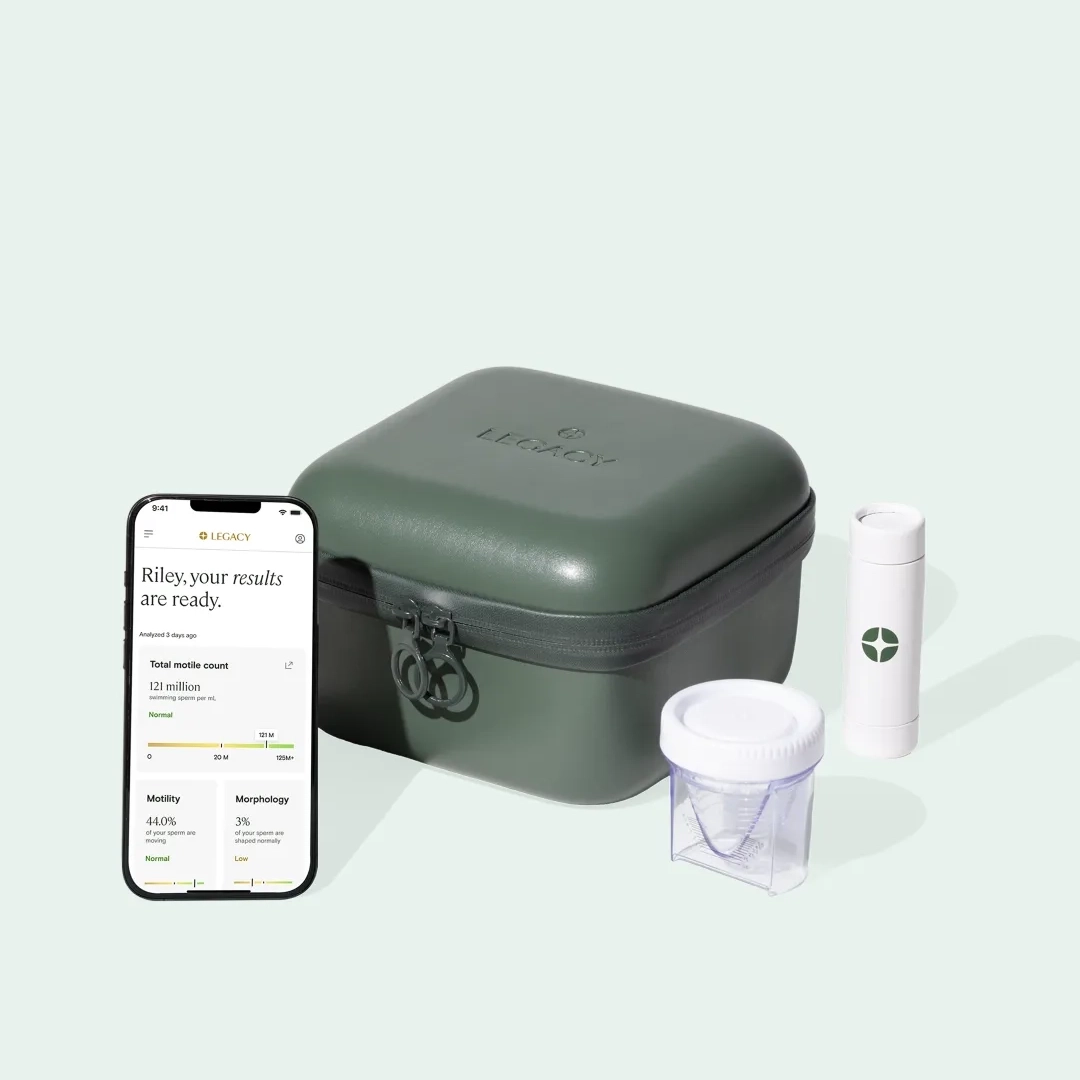
First, you can check in on your fertility with semen analysis. At-home sperm testing kits like Legacy’s make monitoring your fertility while on TRT easy.
If preserving your fertility while on TRT is a top priority for you, you may need to stop your testosterone replacement therapy, at least temporarily. During this break, you can likely continue to take hCG and/or clomiphene citrate and/or anastrozole as an extra boost to your sperm production.6
If your fertility was not significantly impacted by TRT, or if it recovers while you take a break from TRT, you can subsequently freeze your sperm and continue your therapy.
Make sure to closely follow your doctor’s guidance and advice before stopping TRT and continuing your fertility treatment or medications.
Frequently asked questions about TRT and fertility
1. Can you stay fertile while on TRT? Does testosterone replacement therapy stop sperm production?
Taking testosterone typically stops sperm production. The majority of men who are taking TRT will experience azoospermia, a form of infertility in which zero sperm are found in the semen, within 4–6 months of therapy. While it’s possible to stay fertile while on TRT if you take additional medications, they’re not guaranteed to maintain fertility.
2. Can TRT cause permanent infertility?
For most people, TRT only causes temporary infertility. However, research has found that approximately 1 in 3 men on TRT is unable to recover normal fertility for up to a year after stopping testosterone.7 Long-term TRT use and older age might make it harder to regain fertility even after stopping therapy.
3. How long after stopping TRT will sperm return?
Sperm production typically begins to recover within 3–6 months after stopping TRT, but for some men, recovery may take 1–2 years. And, as stated, approximately 33% of men will not recover fertility after taking testosterone therapy.
4. Should you freeze sperm before starting TRT?
Sperm freezing is considered the best protocol to preserve fertility before TRT. If you are considering or taking TRT and may want children in the future, it’s highly recommended that you freeze some sperm.
5. How many vials of sperm should you freeze before starting testosterone replacement therapy?
There is no perfect number of vials of sperm you should freeze because the true answer is as much as you can afford. In general, one vial of sperm is used in each IUI (intrauterine insemination) or IVF (in vitro fertilization) procedure. One semen sample typically equates to four vials of sperm. So, you should consider how many future kids you might want to have and freeze your sperm accordingly. Learn more about how much sperm to freeze.
6. How long does it take to freeze sperm with Legacy?
When you order your at-home sperm freezing kit from Legacy, it arrives in as little as two days. After you produce and collect your sample at home, you will ship it back overnight with a prepaid label. Your sample will be analyzed the next day and frozen within 48 hours. The entire process takes less than a week, so you won’t need to postpone your TRT to freeze your sperm.
References
- Patel, et al. “Testosterone Is a Contraceptive and Should Not Be Used in Men Who Desire Fertility.” The world journal of men’s health, 2019.
- Selinger et al. “Cross-sectional analysis of national testosterone prescribing through prescription drug monitoring programs, 2018-2022.” PLoS One, 2024.
- Hsieh, et al. “Concomitant Intramuscular Human Chorionic Gonadotropin Preserves Spermatogenesis in Men Undergoing Testosterone Replacement Therapy.” Journal of Urology, 2013.
- de Ronde, et al. “Aromatase inhibitors in men: effects and therapeutic options.” Reproductive biology and endocrinology: RB&E, 2011.
- Najari. “Azoospermia With Testosterone Therapy Despite Concomitant Intramuscular Human Chorionic Gonadotropin.” Rev Urol, 2018.
- Osadchiy, et al. “Combination clomiphene citrate and anastrozole duotherapy improves semen parameters in a multi-institutional, retrospective cohort of infertile men.” Translational andrology and urology, 2024.
- Liu, et al. “Rate, extent, and modifiers of spermatogenic recovery after hormonal male contraception: an integrated analysis.” Lancet, 2006.
Find what's right for you

Standard Semen Analysis
$295
Key features

Semen volume
Sperm concentration & count
Motility
Morphology