Glyphosate, sperm, and male fertility: What you need to know


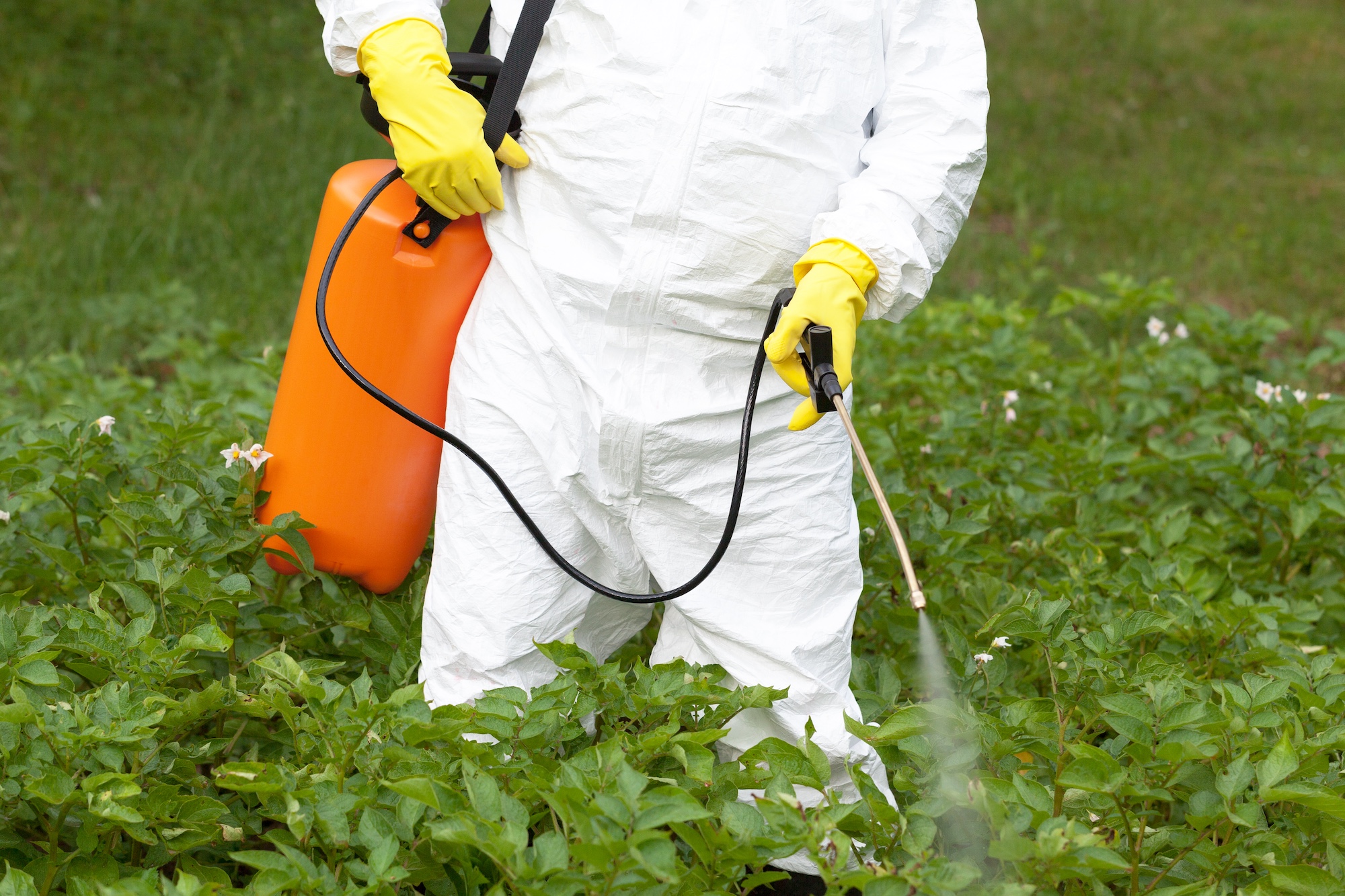
Glyphosate is the most widely used herbicide in the United States, often used to kill broadleaf weeds and grasses. Since it was launched as Roundup in 1974, glyphosate has only become more widespread in agriculture, forestry, and lawn and garden care. Due to how frequently and ubiquitously glyphosate is used, concerns regarding glyphosate and fertility are that much more relevant and concerning.
Studies show long-term glyphosate exposure can impair male fertility, disrupting hormonal regulation and the production of sperm. Glyphosate exposure is linked to increased oxidative stress, which, in turn, can lead to decreased sperm quality as well as lower testosterone levels.1
We’ll walk through what you need to know when it comes to glyphosate exposure and sperm health, and how you can best protect your sperm.
Key takeaways
- Glyphosate is the most popular weed killer in the US and the world.
- Most people are exposed to glyphosate by consuming glyphosate-contaminated food and water.
- Glyphosate has been associated with negative effects on sperm including lower sperm concentration, reduced sperm motility, lower testosterone levels, increased oxidative stress, and potential damage to sperm DNA fragmentation.
- You can reduce your exposure to glyphosate by always washing your fruits and vegetables, opting for organic food options whenever available, always using a high-quality water filter, and avoiding the use of glyphosate-based weed killers in your garden altogether.
Most common exposure routes of glyphosate
For most people, the most likely route of exposure to glyphosate is by ingesting contaminated food and water. Research has found the presence of glyphosate residue in or on many common foods.2
Glyphosate residue is typically detected in water at levels that range from 0.085 to 0.33 ppb, with many non-governmental organizations advocating to reduce the federal limit to at most 5 ppb. Glyphosate has been found in more than 95% of popular oat-based foods with pasta samples containing 60 to 150 ppb and cereal brands containing glyphosate at levels just above the limit. On average, food products in the US that test positive for glyphosate contain levels between 10 ppb and 1,500 ppb, which is well above the EPA’s established tolerance.
Foods that are at a lower risk of concern for glyphosate exposure, according to international research:
- Olive oil
- Fruits, including pears, oranges, apples, strawberries, blackberries, limes, and raisins, all of which have tested for very low or undetectable levels of glyphosate
- Dairy
- Meat and fish
- Eggs
- Vegetables
- Legumes
For those who work in agriculture and gardening, direct skin contact with and inhaling glyphosate is another possible route of exposure. When it’s being sprayed onto plants, glyphosate can also enter the eyes if you’re not wearing proper safety goggles. (If this happens, it’s important to immediately flush your eyes out with clean, lukewarm water for at least 15 to 20 minutes.)
Is glyphosate safe for human health?
According to the EPA (the United States’ Environmental Protection Agency), glyphosate residue is safe to consume up to an established tolerance or limit.3 The federal maximum limit for drinking water is 700 parts per billion (ppb) and the limit for different food products range from 0.1–400 parts per million (ppm).4 However, the safe level of glyphosate — as well as glyphosate’s potential negative impacts on human health — has been a topic of debate for several years.5
The primary concerns around glyphosate exposure are cancer, reproductive harm, and kidney disease.
Is glyphosate carcinogenic?
In March 2015, the World Health Organization’s (WHO) International Agency on the Research for Cancer (IARC) classified glyphosate as “probably carcinogenic to humans” with links to non-Hodgkin lymphoma.6 This decision was based on limited real-world research in humans, supplemented by animal studies in the lab. The IARC purported that glyphosate was genotoxic, meaning that it affected the structure of the DNA inside cells, lending to its carcinogenic quality (and possibly an explanation for its impact on fertility, as well).
At the time, this announcement was considered controversial. The US EPA claimed to have considered a “more extensive and relevant dataset” than the IARC to conclude that glyphosate “is not likely to be carcinogenic to humans.” However, a 2025 update of evidence concluded that “the epidemiologic, animal, and mechanistic studies have continued to provide a consistent, coherent and compelling pattern of evidence” that glyphosate is a cause of non-Hodgkin lymphoma and possibly other blood cancers.7
Glyphosate is legal in the US, but banned or restricted in many other countries
While glyphosate is legal in the US, several other places around the world have restricted or banned the herbicide. Countries that have banned or restricted the use of glyphosate include:
- Sri Lanka
- Vietnam
- Bermuda
- France, the Netherlands, Belgium (banned its household use)
- Germany, Portugal (banned its use in public spaces)
Within the US, some states and cities have specific glyphosate regulations:
- California (first state to issue glyphosate warnings): cities such as Irvine, Burbank, Encinitas, Petaluma, Carlsbad, Richmond, Thousand Oaks have outlawed the use of glyphosate in city parks and other public areas
- New York
- New Jersey
- Connecticut (no glyphosate on K-8 school grounds): glyphosate is banned or restricted in towns including Manchester, Cheshire, Granby, Greenwich, Roxbury, Woodbridge, Watertown, Essex, Branford, and Plainville
- Maryland
- Minnesota
- Hawaii (no glyphosate on school campuses): counties such as Kauai and Maui have restricted glyphosate use
- Alaska
- Florida
Your exposure to glyphosate may vary as a result of local laws and guidelines, as well as the presence of industrial agriculture in your area.
How much do you know about your sperm?
How is sperm affected by glyphosate exposure?
Glyphosate may act as an endocrine disrupter, triggering toxic effects on sperm including:
- lower sperm concentration
- reduced sperm motility
- lower testosterone levels
- increased oxidative stress
- potential damage to sperm DNA fragmentation
In 2024, a French fertility clinic analyzed the semen of 128 men, finding glyphosate in 57% of the samples (73 out of 128), and published their findings in Ecotoxicology and Environmental Safety.8 They observed glyphosate levels that were, on average, four times higher in semen than in blood, which they found worrying.
While the researchers did not note any drastic effects on sperm count, motility, and morphology, they did point out a higher level of oxidative stress in men with glyphosate in their sperm. High oxidative stress can damage cellular DNA and is linked to chronic fatigue, persistent inflammation, reduced immune function, and more.
Learn more: Study finds pesticide glyphosate in more than half of semen samples
Most of the other research on glyphosate and reproduction are animal and lab studies. A review of evidence published in 2023 concluded that glyphosate-based herbicides “act as endocrine-disrupting chemicals, altering sex hormone levels” and interfering with hormone signaling pathways.9 Researchers in that study found that glyphosate exposure was associated with changes in the male reproductive system, “potentially leading to reproductive toxicity.”
Additional studies have found that glyphosate may be toxic to structures in the testicles that are involved in making sperm. A 2012 animal study found that glyphosate was toxic the cells in the testes that are responsible for producing sperm and testosterone.10 Additional later studies found that sperm exposed to high concentrations of glyphosate in a lab setting — much higher than regular environmental exposure — suffered impaired motility and viability.11, 12
However, no studies have yet concluded that exposure to glyphosate in daily life, such as through our diets, can impact sperm quality. More research is needed in this space.
Can I test my semen for glyphosate?
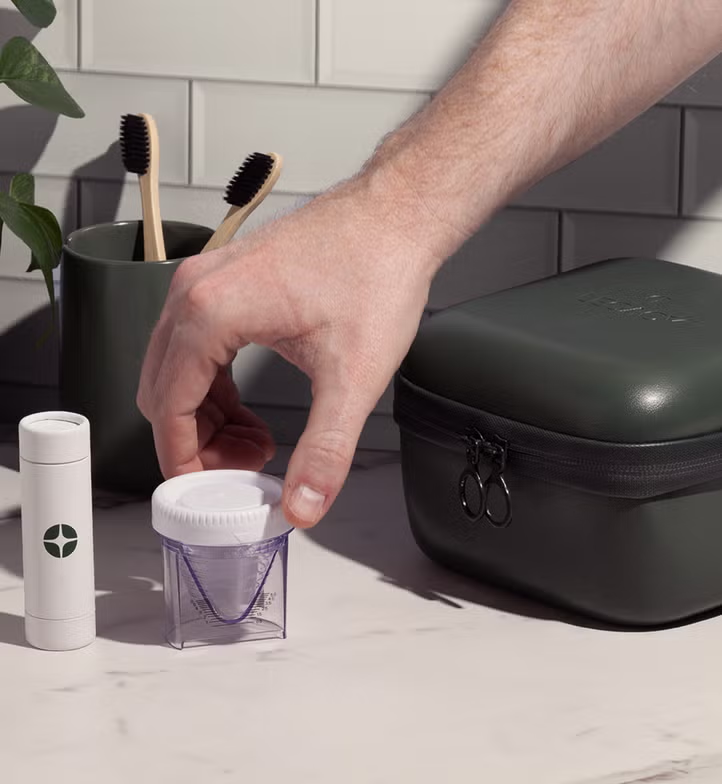
Outside of scientific research, there isn’t a way for most people to test their semen for glyphosate. The best way to determine whether your sperm is healthy is by testing your sperm.
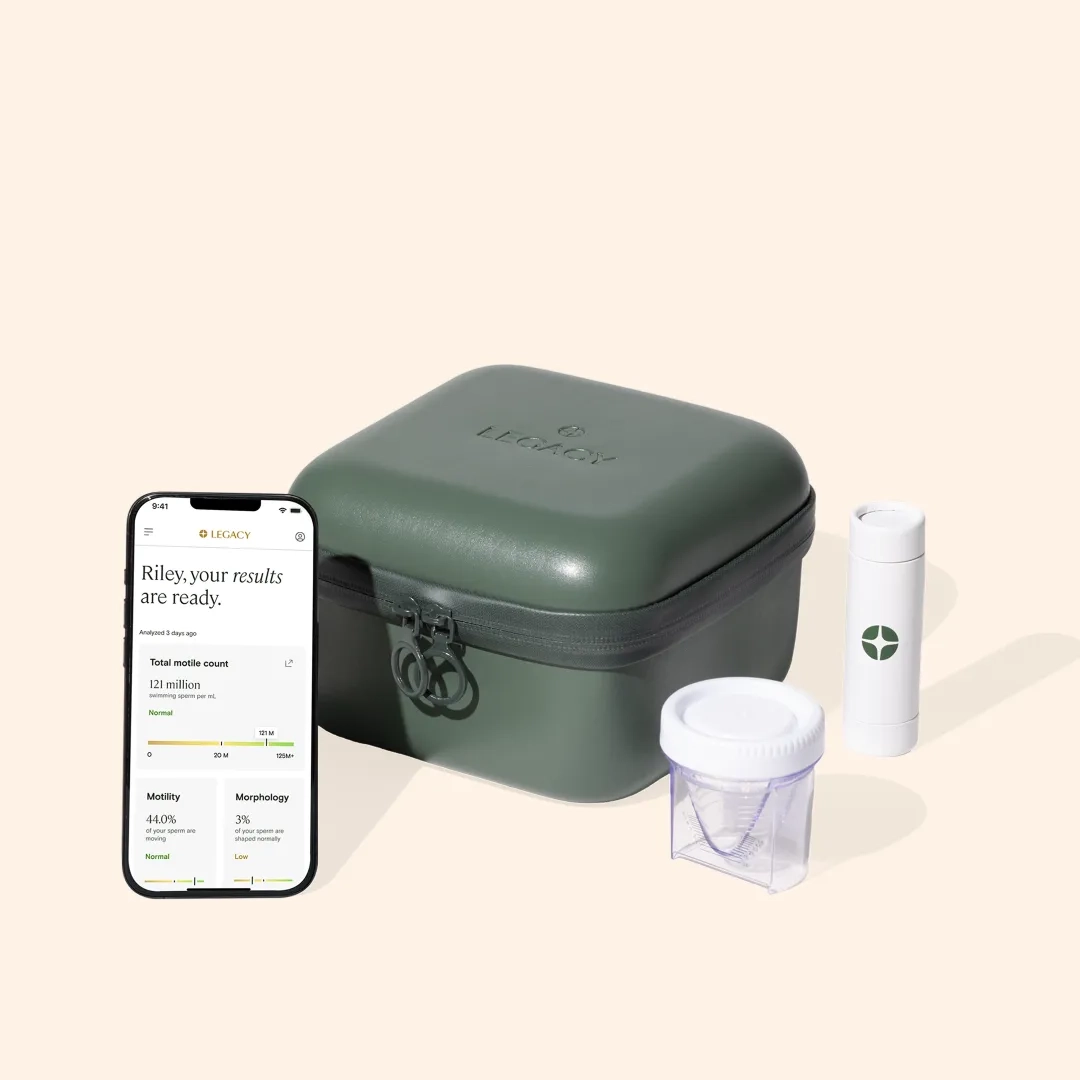
While a sperm testing kit won’t be able to detect the presence of certain pesticides, it will provide you with a detailed overview detailing your semen parameters, including:
- sperm concentration, or the number of sperm per milliliter of semen
- sperm count, or the total amount of sperm produced
- sperm volume, or the total amount of semen produced
- sperm morphology, or how many of your sperm are shaped properly
- sperm motility, or how many of your sperm are moving as expected
An advanced sperm testing kit can even test your sperm DNA fragmentation, or the genetic health of your sperm, which is measured by how many of your sperm contain damaged DNA. This is recommended if you are regularly exposed to glyphosate as high oxidative stress can directly affect your sperm DNA fragmentation.
How to reduce glyphosate exposure & support fertility
Even though glyphosate is commonly used in the US, there are ways you can intentionally reduce your exposure and protect your fertility.
These are four practical and simple steps you can take every day:
- Always wash your fruits and vegetables. Thoroughly wash and soak your fruits and vegetables in either baking soda or apple cider vinegar to remove any surface bacteria, dirt, and pesticide residue.
- Opt for organic food options whenever available. Organic foods can also have pesticide residue, due to air, soil, and water contamination. But, glyphosate levels are typically lower in organic foods than conventional foods.
- Use a high-quality water filtration system. Common water filters like Brita pitchers don’t have the ability to filter out glyphosate. However, specialized filtration systems that use activated carbon blocks or reverse osmosis are able to remove agricultural chemicals and herbicides.
- Don’t use glyphosate-based weed killers in your garden. Use non-toxic or organic alternatives for your garden instead. You can also try old-school methods such as using vinegar, salt, or manually pulling out your weeds.
Frequently asked questions
- How are people exposed to glyphosate? People are usually exposed to glyphosate by consuming contaminated food and water or by directly touching or inhaling glyphosate when using it.
- Where is glyphosate banned? Glyphosate is banned or restricted in countries such as Sri Lanka, Vietnam, Bermuda, France, the Netherlands, Belgium, Germany, and Portugal. While glyphosate is legal in the US, some states have set restrictions on glyphosate use, including California, New York, New Jersey, Connecticut, Maryland, Minnesota, Hawaii, Alaska, and Florida.
- What potential toxic effects does glyphosate have on sperm? Glyphosate has been associated with lower sperm concentration, reduced sperm motility, lower testosterone levels, increased oxidative stress, and potential damage to sperm DNA fragmentation.
- What are steps you can take to reduce glyphosate exposure? To reduce your glyphosate exposure, wash your fruits and vegetables before eating and cooking, opt for organic food options whenever available, always use a high-quality water filtration system, and avoid using glyphosate-based weed killers in your own yard or garden.
References
- Milesi et al. “Glyphosate Herbicide: Reproductive Outcomes and Multigenerational Effects.” Frontiers in endocrinology, 2021.
- Soares et al. “Glyphosate Use, Toxicity and Occurrence in Food.” Foods, 2021.
- US Environmental Protection Agency. “Glyphosate.” Last updated 2026.
- US Food & Drug Administration. “Questions and Answers on Glyphosate.” Last updated 2024.
- Galli et al. “Overview of human health effects related to glyphosate exposure.” Frontiers in toxicology, 2024.
- World Health Organization’s International Agency for Research on Cancer. “IARC Monograph on Glyphosate.” 2015.
- Weisenburger. “An Update of Evidence that the Herbicide Glyphosate (Roundup) is a Cause of Non-Hodgkin Lymphoma.” Clinical Lymphoma Myeloma and Leukemia, 2025.
- Vasseur et al. “Glyphosate presence in human sperm: First report and positive correlation with oxidative stress in an infertile French population.” Ecotoxicology and Environmental Safety, 2024.
- Tajai et al. “Effects of glyphosate-based herbicides and glyphosate exposure on sex hormones and the reproductive system: From epidemiological evidence to mechanistic insights,” 2023.
- Clair et al. “A glyphosate-based herbicide induces necrosis and apoptosis in mature rat testicular cells in vitro, and testosterone decrease at lower levels,” 2012.
- Anifadis et al. “The Effect of Glyphosate on Human Sperm Motility and Sperm DNA Fragmentation,” 2018.
- Velasquez et al. “The Effect of Glyphosate on Human Sperm: In Vitro Approximation,” 2021.
When it comes to getting pregnant, sperm is half the equation.

Advanced Semen Analysis with DNA Fragmentation Testing
$495
Key features

Semen volume
Sperm concentration & count
Motility
Morphology
Sperm DNA fragmentation