How a vasectomy works



Vasectomy step by step: How a vasectomy works and the process of preparing for a vasectomy.
Vasectomies are a popular choice for men wanting a permanent form of contraception — over 500,000 vasectomies are performed each year in the US alone. Vasectomies are a relatively quick and simple procedure that has an over-99% success rate. In this article, we’ll take you through vasectomy step by step, and explore important considerations for vasectomy planning, the vasectomy process, and the vasectomy recovery period.
Key takeaways
- A vasectomy is a 15–30-minute procedure in which a surgeon snips the vas deferens, the tubes inside the testes that carry sperm out of the body.
- The best way to prepare for a vasectomy and minimize the risk of complications during post-vasectomy recovery is to follow the guidelines of your care team. We’ll review common guidelines below.
- Before you have unprotected sex after your vasectomy, get a semen analysis to ensure the procedure worked as intended.
- To avoid vasectomy regret, consider sperm freezing if you want to keep your options open.
Planning for your vasectomy
Your vasectomy planning should involve a few steps:
- The consideration phase, when you’re doing research and thinking it through
- The planning phase, when you’re finding a doctor and scheduling the procedure
- The preparation phase, when you’re setting yourself up for success during recovery
Vasectomy step by step: important considerations
Vasectomy should be considered a permanent form of birth control. With that in mind, there are several points to understand when you’re thinking about having a vasectomy.
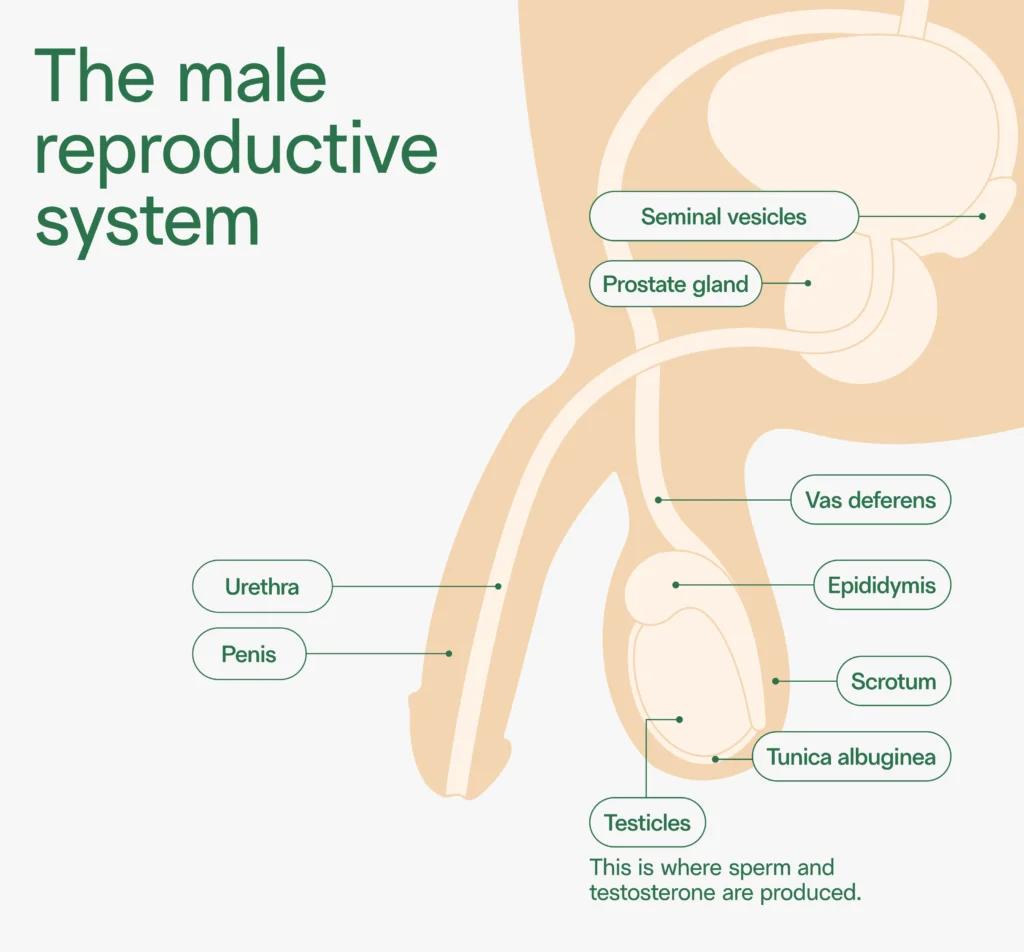
- Vasectomy is a permanent form of male sterilization. During a vasectomy, your surgeon will sever your vas deferens, the tubes that allow sperm to enter the seminal fluid before ejaculation. Without sperm, you won’t be able to cause a pregnancy.
- It’s not like neutering a dog. Contrary to common vasectomy myths, vasectomy does not involve removal of the testicles — everything will look and function exactly as it did before, but the sperm won’t have an exit route.
- Consult your partner if you have one. When it comes to family planning, it’s essential to have your partner’s support and to be on the same page. To avoid regret, talk to your partner about your desired family size or the decision not to have children in the future.
- Vasectomy reversal is possible, but not a good back-up plan. Reversal is a technically complex, invasive, and expensive surgery. Plus, there’s no guarantee that you’ll actually recover fertility following a vasectomy reversal.
- Vasectomy regret is uncommon, but possible. Vasectomy regret affects a small proportion of men each year. It’s usually due to changes in circumstances, such as divorce or new partners. Men who are younger or don’t have kids at the time of their vasectomy are more likely to regret their decision.
Sperm freezing allows you to keep your options open. If you freeze your sperm before a vasectomy, you can attempt to have (more) kids in the future without undergoing a vasectomy reversal. It’s a more reliable and affordable back-up plan for your vasectomy.
Learn more about sperm freezing before vasectomy.
Vasectomy step by step: Find a vasectomy specialist
The doctor that performs a vasectomy is known as a urologist, an expert in the uro-genital system. When you’re planning a vasectomy, look for a urologist or clinic who is experienced in performing vasectomies. You might ask for recommendations from your primary care physician, friends, or family members who have undergone the procedure.
You should have a consultation with the doctor to discuss how a vasectomy works and anything you should do to prepare for a vasectomy. You might also discuss scalpel vs. no-scalpel vasectomy. During a no-scalpel vasectomy, the surgeon will make a small puncture instead of a cut to get to the vas deferens. No-scalpel vasectomy typically has an easier vasectomy recovery process, but may be difficult if your vas deferens are difficult to feel or access. Your urologist may do a physical exam to understand if you’re a candidate for no-scalpel vasectomy.
Finally, you’ll schedule the surgery. Be aware that you may require 1–2 days off work (or longer, if your work is very physical). Many men schedule vasectomies for a Friday, and are back to work on Monday morning.
Vasectomy step by step: Preparing for your vasectomy
You should follow your doctor’s instructions to best prepare for your vasectomy procedure. Here are some common suggestions:
- Take 1–2 days off of work and don’t plan any vigorous exercise for at least 7–14 days.
- Wash and/or shave your scrotum (although your clinic may do this for you).
- Wear loose-fitting clothing to the procedure.
- Bring tight, supportive underwear for afterward.
- Stock up on ice and over-the-counter pain medication (like ibuprofen).
- Talk to your doctor about taking sedative medication if you’re feeling particularly anxious about the procedure.
The vasectomy process
Here’s an overview of how a vasectomy works, generally speaking. Keep in mind that your procedure may look slightly different depending on your specific anatomy, whether you’re no a traditional vasectomy or a no-scalpel vasectomy, and so on.
Vasectomy step by step: Pre-operative and anesthesia
On the day of the procedure, you will change into a hospital gown. If not done already, your scrotal area will be cleaned and shaved so the surgeon has easier access. You may be given a mild sedative to help you relax during the procedure.
Once you’re ready, you will lie down on a table, and your healthcare provider will numb the scrotum with an injection of local anesthetic. Once the numbing medication has taken effect, the doctor or urologist will begin.
Vasectomy step by step: The vasectomy procedure
A typical vasectomy takes 15–30 minutes. Thanks to the numbing medication, it should not be painful, though about 1 in 3 men feel slight discomfort during the vasectomy.
How a vasectomy works:
- Your surgeon will make 1–2 small incisions or punctures in the scrotum. Through these incisions or punctures, they will locate the vas deferens on both sides. The vas will be pulled slightly out the scrotum.
- The surgeon will cut the vas deferens. They’ll seal the ends of the vas by tying or cauterizing (burning) the tubes. This prevents sperm from passing through the tube.
- The vas deferens will be placed back into the scrotum. The surgeon will close the surgical site with glue or tiny stitches.
When your vasectomy is over, you’ll be asked to rest at the clinic until you are able to move around freely. You will then be allowed to return home. It’s highly recommended that you have a friend or family member drive you home (this is required if you took a sedative medication).
Vasectomy recovery
The best way to fully recover following a vasectomy is to give yourself some time to rest.
You can expect to need 1–2 days off of work, or longer if you have a physically demanding job. You should aim to avoid any heavy lifting, strenuous activities, or exercise for at least the first week after surgery.
Best practices for vasectomy recovery:
- Pain management: Use over-the-counter pain relief, such as ibuprofen, to manage pain in the days following your procedure. Your clinic may also prescribe some painkillers to help you during this time. If your pain becomes unbearable and not manageable via over-the-counter medications, contact your clinic to ensure there is no infection.
- Ice packs: Ice will reduce pain and swelling in the scrotum. Wrap an ice pack or a bag of frozen peas in a towel and apply it to your scrotum for up to 20 minutes at a time.
- Supportive underwear: “Tighty whities” or even a jockstrap can reduce the movement of your testes and reduce swelling while you heal.
- Incision care: Keep incision or puncture sites clean and dry. Typically you will be advised to avoid showering for the first 24 hours and bathing for 48 hours post-surgery. Keep incision or puncture sites covered with sterile bandages until fully healed.
- No sex for at least a week: To avoid pain or injury to your surgical sites, don’t have sex or masturbate for at least a week following your procedure. When you are ready for sex, remember to use back-up contraception. You’re not considered sterile until you’ve been cleared by a post-vasectomy semen analysis (more on that below).
- immediately if you notice any of the following:
The chance of complications after vasectomy is very low. By following the advice of your care team, you can further reduce your risk of pain, infection, or bleeding.
Post-vasectomy sperm testing
You are not sterile as soon as your vasectomy is complete. Because there are sperm stored in the tubes and ducts of your reproductive system, you will still ejaculate sperm for a while after your vasectomy. Vasectomy is highly effective, but in cases where pregnancies do happen after vasectomy, it’s typically because people have unprotected sex too soon — not because the vasectomy itself failed.
The usual advice:
- Wait at least one week after your vasectomy to have sex or masturbate.
- After the first week, you should focus on “flushing out” old sperm with frequent masturbation or protected sexual intercourse. Typical recommendations are about 30 ejaculations in the 12 weeks following your procedure.
After you’ve reached the recommended number of ejaculations, you should complete a semen analysis. During this test, a lab scientist will examine a sample of your semen under a high-powered microscope to ensure it doesn’t contain any sperm.
If you “pass” the semen analysis, you are free to have unprotected sex without fear of becoming pregnant. If you don’t, and sperm is still present, take a few more weeks to clear out old sperm with frequent ejaculation. Then, test again.
With Legacy, you can do your post-vasectomy semen analysis from the comfort of home. Explore at-home sperm testing.
Find what's right for you

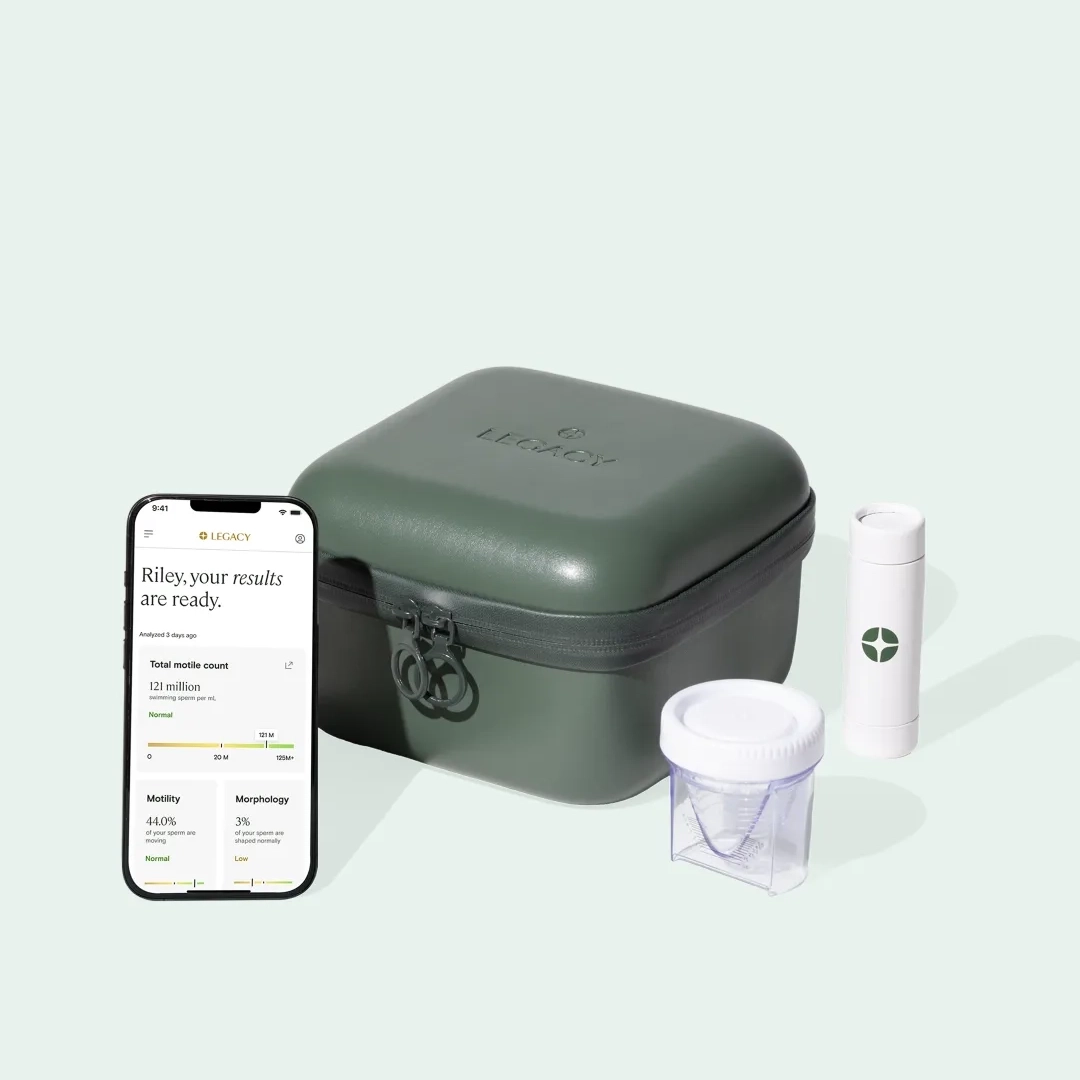
Standard Semen Analysis
$295
Key features

Semen volume
Sperm concentration & count
Motility
Morphology